
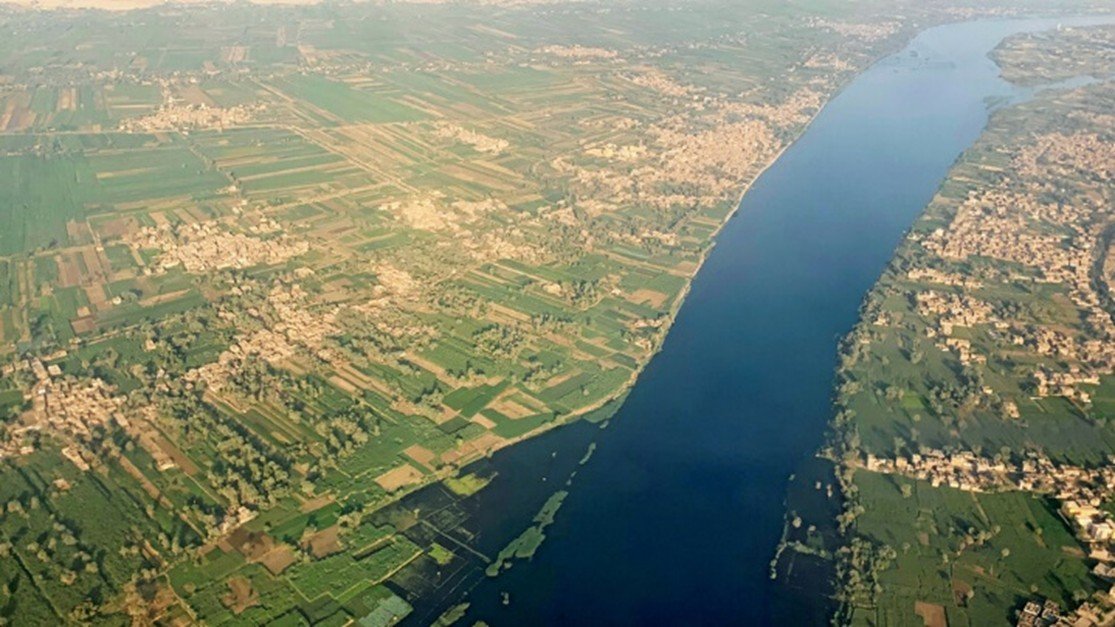

Water security represents one of the most decisive strategic issues shaping Sudan’s future development and stability. Water resources are directly linked to food security, public health, economic growth, and social resilience. Although Sudan possesses relatively abundant water resources compared to many countries in the region, the primary challenge lies not in availability but in sustainable and efficient management. Sudan relies heavily on the Nile River as its main water source, alongside groundwater reserves and seasonal rainfall. However, climate change has intensified rainfall variability and increased the frequency of extreme events such as floods and droughts. In recent years, severe flooding has damaged infrastructure and contaminated water supplies, while other regions have experienced acute water shortages due to reduced precipitation.
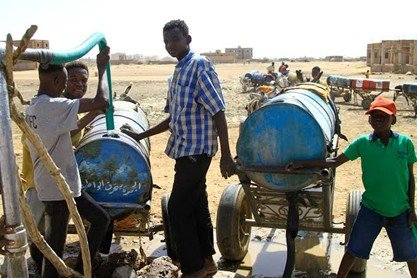
Water infrastructure limitations also present significant challenges. Aging distribution systems and inadequate maintenance result in substantial water losses through leakage and inefficiency. At the same time, population growth and rapid urban expansion are increasing water demand, placing additional pressure on already stressed resources, particularly in urban centers and semi-arid regions.
Water quality remains another critical concern. Limited wastewater treatment capacity and improper waste disposal contribute to contamination of both surface and groundwater sources. This situation increases the prevalence of waterborne diseases, especially among vulnerable communities with limited access to safe water services.
Achieving water security in Sudan requires adopting an Integrated Water Resources Management (IWRM) approach that coordinates across sectors and balances agricultural, industrial, domestic, and environmental water needs. Key solutions include expanding water harvesting systems, promoting renewable-energy-powered pumping technologies, and improving irrigation efficiency to minimize water loss.
Modern technologies play a crucial role in strengthening water governance. Geographic Information Systems (GIS) and remote sensing tools enable better monitoring of water resources and improved prediction of climate-related risks. Equally important is fostering public awareness and encouraging responsible water consumption behaviors to ensure long-term sustainability. Water security is not merely a sectoral issue; it is a foundation for sustainable development and national stability. Investing in water management today reduces future risks, enhances climate resilience, and supports the creation of a more sustainable and adaptable economy in Sudan.
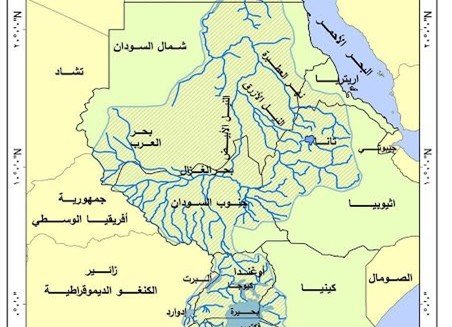
Strengthening regional cooperation in water resource management is a critical component of achieving water security in Sudan, given the transboundary nature of shared water systems, particularly the Nile Basin. Coordination and data exchange among riparian countries can improve resource management and reduce risks associated with climate variability, floods, and droughts. Joint early warning systems and long-term planning mechanisms enhance disaster preparedness and promote equitable and sustainable utilization of shared water resources. Regional cooperation extends beyond political agreements to include technical knowledge exchange, capacity building, and collaborative development projects that support long-term stability and sustainable growth across the region.
Furthermore, achieving water security is closely linked to transforming consumption patterns and improving water-use efficiency at both institutional and household levels. Promoting water conservation practices in urban households, enhancing irrigation efficiency in agriculture, and encouraging the reuse of treated wastewater for appropriate applications can significantly reduce pressure on limited resources. Integrating sustainability concepts into educational curricula and public awareness programs helps build a culture that recognizes water as a finite and valuable resource. Investing in public awareness represents one of the most cost-effective and impactful strategies for ensuring long-term water security and safeguarding resources for future generations.
References:
- Food and Agriculture Organization
- United Nations Environment Programme
- World Bank