
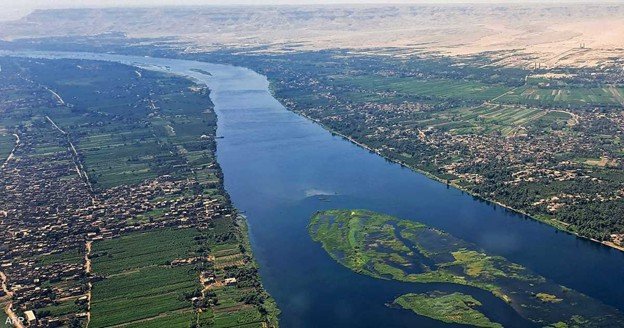

Water is one of the most essential natural resources supporting human life, economic development, and environmental stability. Sudan possesses diverse water resources, including the Nile River and its tributaries, groundwater reserves, and seasonal rainfall. Despite this diversity, the country faces growing challenges related to climate change, population growth, infrastructure limitations, and fragmented water resource management.
The Nile River represents Sudan’s primary water source, supporting agriculture, drinking water supply, and energy production. However, heavy reliance on a single water system increases vulnerability to climate variability and hydrological changes. Furthermore, uneven geographical distribution of water resources results in significant disparities, with some regions experiencing water abundance while others face severe scarcity, particularly in semi-arid areas.
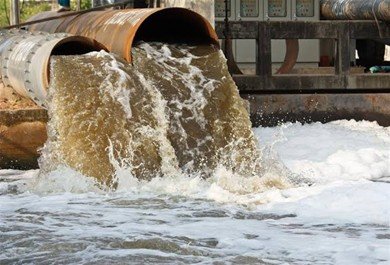
Water pollution is another major concern. Unregulated discharge of wastewater and solid waste, combined with limited treatment facilities and insufficient water quality monitoring, threatens both surface and groundwater sources. Seasonal floods frequently damage water infrastructure and contaminate drinking water supplies, while prolonged drought periods contribute to declining groundwater levels and increased dependence on boreholes.
Inefficient water management directly affects food security and public health. Agricultural systems—both rain-fed and irrigated—depend on reliable water availability. Limited access to safe drinking water also increases the spread of waterborne diseases, placing additional pressure on vulnerable communities and healthcare systems.
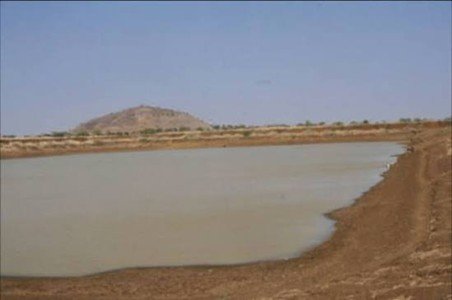
Despite these challenges, Sudan has significant opportunities to achieve sustainable water management. Expanding water harvesting techniques can improve utilization of seasonal rainfall, while upgrading distribution networks can reduce water losses. The adoption of solar-powered pumping systems offers a sustainable solution for rural water supply. Integrated Water Resources Management (IWRM) approaches can help balance agricultural, urban, and environmental water needs.
Modern technologies such as Geographic Information Systems (GIS) and remote sensing play an increasingly important role in monitoring water resources and predicting droughts and floods. Equally important is raising community awareness about water conservation to ensure long-term sustainability.
Sudan’s development future is closely tied to effective water governance. Investments in water infrastructure, improved institutional coordination, and strengthened local and international partnerships can transform current challenges into opportunities for achieving water security and sustainable development, ultimately supporting economic resilience and social stability.
Effective water governance represents a fundamental pillar for ensuring the sustainability of water resources in Sudan. Establishing clear policies and updated regulatory frameworks for water use helps reduce waste and promotes equitable distribution among sectors and local communities. Strengthening coordination between government institutions, research centers, and civil society organizations enables improved data sharing and informed decision-making processes. Community participation in water management—particularly in rural areas—plays a vital role in maintaining water infrastructure and ensuring long-term functionality. When local communities feel ownership and shared responsibility, water systems are better protected, operational efficiency improves, and conflicts over water resources are significantly reduced. In addition, investment in human and technical capacity development is essential for advancing Sudan’s water sector. Continuous training for technical personnel in modern monitoring technologies, water quality management, and preventive maintenance enhances service efficiency and reduces operational failures. Integrating innovation and digital solutions, such as smart monitoring systems and data analytics, can significantly improve water resource management and strengthen early response mechanisms to droughts and floods. Supporting scientific research and academic partnerships also provides a strong evidence base for national policies, enabling the development of locally adapted and sustainable solutions aligned with Sudan’s environmental and socio-economic conditions.
References:
World Bank
Food and Agriculture Organization
United Nations Environment Programme