

Agriculture in Sudan faces significant challenges that limit its expansion and stability, particularly in rural areas far from electricity grids. With frequent power outages and fluctuating fuel supplies, the search for sustainable energy alternatives has become an urgent necessity rather than an optional choice. In this context, solar energy emerges as a practical and promising solution, one that aligns perfectly with Sudan’s climate and natural potential.
Sudan is among the richest countries in the region in terms of solar resources. With abundant sunshine throughout the year, it offers ideal conditions for adopting solar energy systems, especially in the agricultural sector, the backbone of the national economy. In major agricultural schemes such as the Gezira Scheme, as well as vast farming areas along the Nile River and in North Kordofan, solar power has the potential to transform irrigation methods and agricultural productivity.
Why Solar Energy in Sudanese Agriculture?
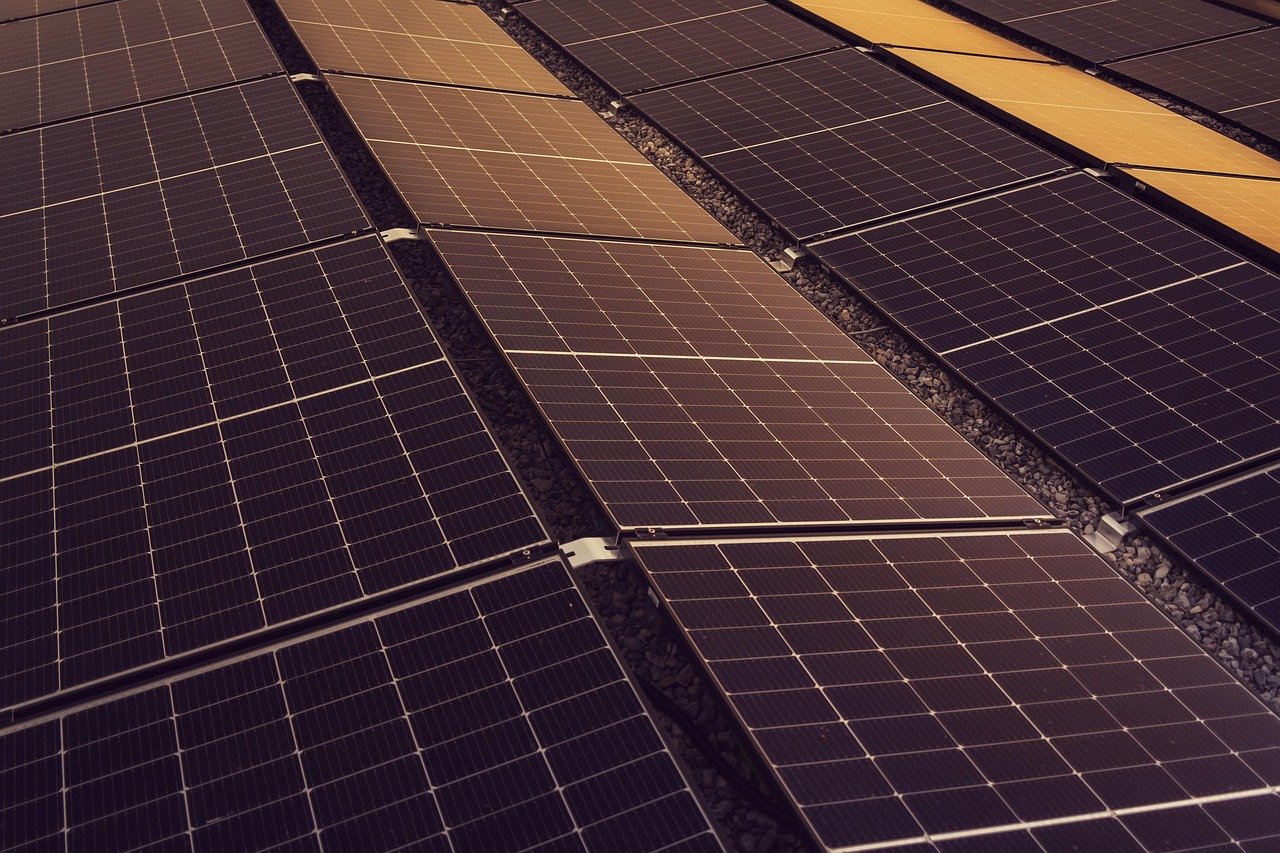
Solar energy is no longer merely an environmentally friendly option; it has become a sound economic and developmental investment. Solar systems rely on photovoltaic (PV) panels that convert sunlight into electricity, which can be used directly to operate irrigation pumps without the need for daily fuel consumption or a stable national grid connection.
Key benefits include:
Long term cost savings:
After installation, operating costs drop significantly compared to diesel-powered systems. Farmers are no longer burdened by rising fuel prices or transportation costs.
Energy independence:
This is particularly critical in remote villages and agricultural projects where access to fuel and electricity is unreliable.
Environmental and soil protection:
Solar systems reduce carbon emissions and eliminate the risk of oil and fuel leakage, helping preserve soil quality and surrounding ecosystems.
Stable irrigation processes:
Reliable water supply reduces the risk of crop damage caused by unexpected fuel shortages or power cuts.
Beyond irrigation, solar energy can also power other on farm applications. These include post-harvest cooling for fruits and vegetables, grain drying systems, and water desalination units in areas affected by salinity, an issue that impacts parts of western and eastern Sudan.
Solar Powered Irrigation Systems:
Solar irrigation is one of the most widespread and successful applications in agriculture. Instead of operating costly diesel pumps, water pumps can be connected directly to solar panels. With sunrise, the system begins pumping automatically and continues until sunset naturally aligning with irrigation schedules in many farming systems.
Major advantages of solar irrigation systems in Sudan include:
- A long-term investment that reduces financial burdens on farmers.
- Simple installation without the need for complex electrical infrastructure.
- High durability capable of withstanding extreme temperatures and harsh climatic conditions.
- The possibility of integrating smart controllers to regulate water quantities efficiently.
Types of Solar Irrigation Pumps
Solar irrigation pumps generally fall into two main categories:
1. Direct Current (DC) Pumps
DC pumps operate directly on electricity generated from solar panels, often without requiring batteries. They are particularly suitable for small farms, garden irrigation, and providing drinking water for livestock.
A typical DC solar pumping system consists of:
- Solar panels
- A DC submersible pump
- A controller to regulate voltage and protect the pump
- A water storage tank
These systems are known for their high efficiency and relatively low energy consumption.
2. Alternating Current (AC) Pumps
AC pumps are commonly used in larger agricultural projects. They require an inverter to convert direct current (DC) from the solar panels into alternating current (AC). These systems are suitable for extensive farms, desalination plants, and water treatment stations. However, depending on system design, they may be slightly less efficient than DC systems due to conversion losses.
What Determines the Cost of Solar Irrigation Systems in Sudan?
- The cost of solar irrigation systems varies based on several factors:
- The depth of the well and the required pump capacity
- The number and quality of solar panels
- Component durability and warranty periods
- Installation and transportation costs
- Whether battery storage is required
Although the initial investment may appear high for some farmers, the economic return often becomes clear within a few years. Savings on fuel, reduced maintenance costs, and improved production stability all contribute to a faster payback period.
A Strategic Step Toward Rural Development
Transitioning to solar energy in Sudanese agriculture represents a strategic move toward strengthening rural development, creating jobs, increasing productivity, and enhancing food security. Stable energy sources mean stable irrigation systems and ultimately stable crop yields and income for farming communities.
In light of current economic and environmental challenges, solar energy can become a genuine turning point for Sudan’s agricultural sector. It is not just a source of power; it is a tool of empowerment for Sudanese farmers paving the way toward a more sustainable, secure, and productive future.
Reference
https://solarabic.com/press-release/2025/08/الشم-بالطاقة-السودان-في-الزراعة-إحياء
https://undparabic.exposure.co/post-400088
https://share.google/B9QjZtlbgAOh0sGiy