

Introduction
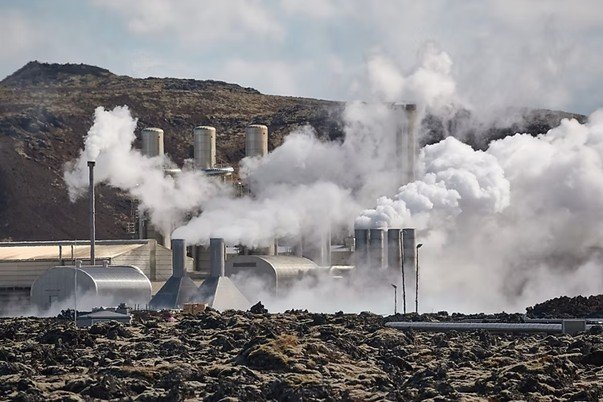
Sudan stands at a critical crossroads where energy insecurity, economic pressures, and escalating climate impacts intersect. As droughts intensify, floods become more frequent, and desertification expands, the need for resilient and sustainable energy solutions has never been more urgent. While solar and wind power often dominate discussions of renewable energy in Sudan, geothermal energy represents an underexplored but highly promising opportunity. With its unique geological features and growing demand for clean, reliable power, Sudan is well‑positioned to consider geothermal energy as part of its long‑term climate and development strategy.
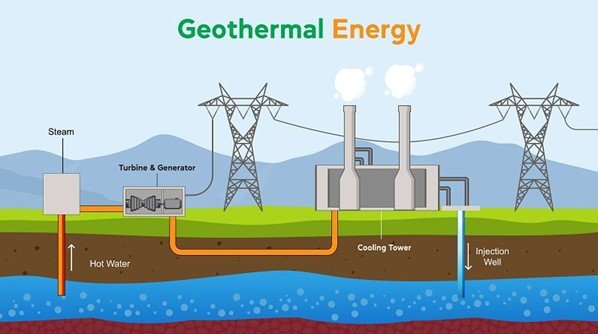
Source: Renewable Energy Sources – ‘’ Geothermal Energy‘’
Sudan’s Energy and Climate Challenge
Sudan’s energy system faces chronic shortages, frequent blackouts, and heavy reliance on fossil fuels and diesel generators. These systems are costly, polluting, and vulnerable to supply disruptions. At the same time, Sudan is one of the countries most affected by climate change. Rising temperatures, shifting rainfall patterns, and water scarcity threaten agriculture, livelihoods, and national stability.
A transition to renewable energy is therefore not just an environmental priority but a socioeconomic necessity. While solar and wind resources are abundant, their intermittent nature means Sudan also needs stable, round‑the‑clock power sources. This is where geothermal energy becomes particularly valuable.
Geothermal Potential in Sudan
Geothermal energy is generated from heat stored beneath the Earth’s surface. Countries located along tectonic boundaries or rift systems often have significant geothermal potential, and Sudan is no exception. The country lies along major geological structures such as the Central African Shear Zone(CASZ) and the Red Sea rift system, both of which are associated with elevated heat flow and geothermal gradients. Preliminary geological studies suggest that regions in eastern and central Sudan may contain viable geothermal reservoirs. Although exploration is still limited, the presence of hot springs, volcanic formations, and deep fault lines indicates that geothermal resources could be developed with proper investment and scientific assessment.
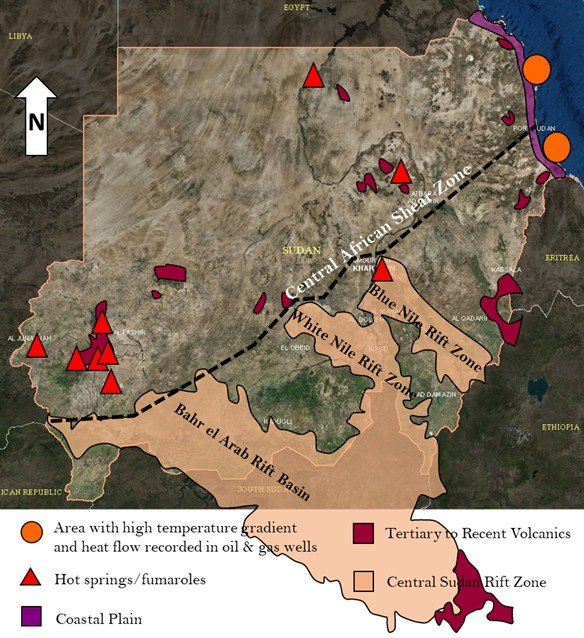
Stellae Energy – “Geothermal Energy in Sudan”
Why Geothermal Energy Matters
Geothermal energy offers several advantages that make it uniquely suited to Sudan’s needs:
1. Reliable, Baseload Power
Unlike solar and wind, geothermal plants operate continuously, providing stable electricity 24 hours a day. This reliability is essential for hospitals, industries, water pumping, and other critical services.
2. Low Carbon Emissions
Geothermal systems produce minimal greenhouse gases compared to fossil fuels. By replacing diesel generators and thermal power plants, Sudan could significantly reduce its carbon footprint while improving air quality.
3. Energy Security Geothermal energy is domestic and inexhaustible. Developing it would reduce Sudan’s dependence on imported fuels, insulating the country from global price fluctuations and supply disruptions.
4. Climate Resilience
Because geothermal power is not affected by weather variability, it strengthens Sudan’s resilience to climate impacts. During droughts or dust storms—when solar and hydropower output may drop—geothermal energy remains stable.
Geothermal Energy and Climate Change Mitigation
Sudan’s climate vulnerability makes clean energy a cornerstone of adaptation and mitigation strategies. Geothermal energy contributes to climate goals in several ways:
- Reducing emissions from electricity generation
- Supporting sustainable agriculture through reliable power for irrigation and water management
- Enabling green industries, including potential future hydrogen production
- Improving rural resilience by powering local services such as clinics, schools, and water stations
By integrating geothermal energy into its national climate policies, Sudan can strengthen its commitments under the Paris Agreement while improving quality of life for its citizens.
Challenges to Development
Despite its potential, geothermal energy in Sudan faces several obstacles:
- High upfront exploration and drilling costs
- Limited technical expertise in geothermal engineering
- Political and economic instability, which discourages investment
- Lack of detailed geological data
These challenges are significant but not insurmountable. Many countries—such as Kenya and Ethiopia—have successfully developed geothermal sectors despite similar constraints, offering valuable lessons for Sudan.
A Strategic Path Forward
To unlock geothermal energy’s potential, Sudan could pursue several strategic actions:
- Conduct comprehensive geothermal mapping and exploratory drilling
- Establish partnerships with international geothermal agencies and investors
- Train local geoscientists and engineers
- Integrate geothermal development into national energy and climate plans
- Combine geothermal with solar and wind in hybrid systems for rural electrification
Such steps would not only diversify Sudan’s energy mix but also create jobs, attract investment, and strengthen climate resilience.
Conclusion
Geothermal energy is not a silver bullet, but it represents a powerful and underutilized opportunity for Sudan. With its geological advantages and urgent need for clean, reliable power, Sudan can benefit greatly from exploring geothermal resources as part of a broader renewable energy strategy. As climate pressures intensify, embracing geothermal energy could help Sudan build a more sustainable, secure, and resilient future.
Reference:
Abdalla, M. and Qarmout, T., 2023. An analysis of Sudan’s energy sector and its renewable energy potential in a comparative African perspective. International Journal of Environmental Studies, 80(4), pp.1169-1187. https://doi.org/10.1080/00207233.2023.2177417
Clean Air Task Force (2025) Sudan Superhot Rock Regional Assessment.
https://cdn.catf.us/wp-content/uploads/2025/06/22145137/Sudan-SHR-Regional-Assessment.pdf