
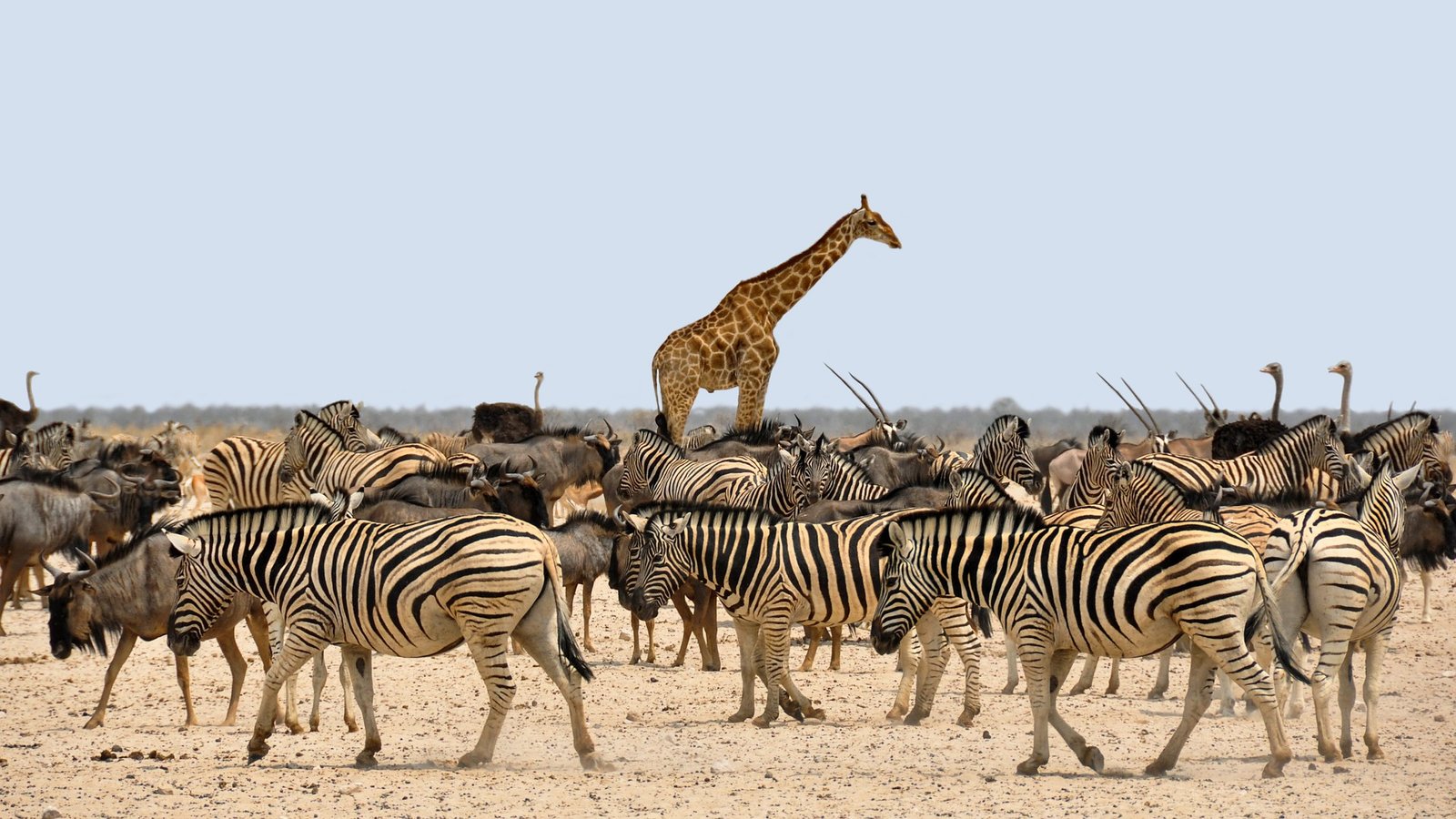

Sudan is a land of profound ecological diversity. Stretching from the arid deserts of the north to the lush equatorial regions of the south, its vast landscape encompasses approximately 2.5 million square kilometers and seven distinct ecological zones. This unique geographical coverage makes Sudan one of the most significant environments in Africa for biological diversity, supporting a wide array of insect species, diverse vegetation, and a massive wildlife population.
The Rangelands and Floral Wealth
Sudan’s rangelands are the backbone of its environmental and economic health. These areas vary greatly, extending over seven ecological zones: desert, semi-desert, low-rainfall savanna on sand, low-rainfall savanna on clay, flood regions, high-rainfall savanna, and mountainous regions. These variations support a wide diversity of vegetation and production systems. A remarkable phenomenon within these zones is the Gizzu vegetation—unique plants that emerge in the desert after rare rainfall, which is scarce in these regions. The Gizzu provides highly nutritious winter grazing that nomads specifically seek out. Notably, the Gizzu had disappeared from desert areas during severe drought periods for more than 20 years, but in recent years, it has reappeared in vast areas of the Darfur desert. However, these ecosystems are under intense pressure. The rangelands are showing a concerning decrease of palatable “desirable” species and a worrying rise in unpalatable and invasive species. Beyond wild flora, Sudan is a hub for indigenous crops like Kursan and Okra, which are vital for food security, especially during times of drought. Many other plant species are grown to meet the demands for food, shelter, clothing, medicine, and fodder.
A Haven for Wildlife and Migrations
The country’s biodiversity is perhaps most visible in its wildlife. The high-rainfall savannas of the south host one of the largest mammal land migrations in the world. Over 1.2 million animals, including the White-eared Kob, Tiang, and Mongalla Gazelle, traverse these plains in a spectacular display of nature’s scale Furthermore, the vast wetlands, such as the Sudd and Machar Marshes, are internationally recognized havens for migratory waterfowl. Despite this wealth, historical conflicts and civil unrest have led to a decline in some species, particularly large carnivores. Yet, the potential for recovery remains significant if conservation efforts are prioritized.
The Pristine Marine Ecosystems
The Sudanese Red Sea coast, stretching 750 km
remains one of the most pristine marine environments globally. Its coral reefs are world-renowned for their health and beauty. These waters are home to:
Dugongs: The population in Mukawwar Island and Dungonab Bay is among the most important remaining on the African coast.
Mangrove Forests: Dominated by Avicennia marina, these forests act as vital nurseries for commercial fish species.
Sea Turtles: The Dungonab Bay Marine Protected Area (MPA) serves as a nesting site of international significance
Socio-Economic Importance and Future Threats
Biodiversity is not just an environmental asset for Sudan; it is an economic engine. The country is well endowed with underground water, which has hardly been tapped, in addition to numerous seasonal rivers outside the Nile Valley. These natural resources support a national herd of livestock, estimated at some 116 million head of cattle, sheep, goats, and camels, as well as several million wild animals. Livestock accounts for approximately 20-22% of the country’s GDP and 53-56% of the agricultural GDP. The country is self-sufficient in meat and raw materials from hides and skins for industry However, the “carrying capacity” of the environment is being tested. In many inhabited parts of Sudan, the population has approached the limits of what the environment can support under prevailing technologies. Recurrent conflict between cultivators and herders, often driven by resource degradation and climate change, signal a growing crisis. As improved, high-yielding crop varieties replace indigenous landraces and cultivars, Sudan faces the risk of losing its genetic heritage. The population continues to depend heavily on commodity production, meaning the degradation of these natural resources poses a direct threat to long-term economic stability.
Conclusion
Sudan’s biodiversity is a treasure that balances the country’s economy and ecological health. Protecting the migratory paths of the savanna, the mangroves of the Red Sea, and the unique desert flora is essential. While petroleum has become an export, Sudan’s true long-term wealth lies in its living resources.
References:
Convention on Biological Diversity (CBD)
DPG)
UN Trade and Development (UNCTAD)