

Land is one of Sudan’s most vital natural resources, forming the backbone of its agricultural and pastoral economy. A significant portion of the population depends directly on land for livelihoods,making sustainable land management essential for national stability and development.
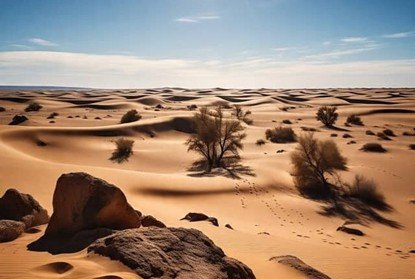
Sudan faces increasing environmental pressures, particularly desertification, driven by climate variability and unsustainable human activities. Deforestation for fuelwood and agricultural expansion, overgrazing, and poor water management practices have significantly contributed to soil degradation and declining fertility. In addition, recurring floods in some regions have accelerated soil erosion, further reducing land productivity.
Conflict and internal displacement have also reshaped land-use patterns, increasing pressure on limited natural resources in safer regions. This complex interaction between environmental and socio-economic factors makes land management not only an environmental issue but also a development and security priority.
Despite these challenges, Sudan has considerable opportunities to promote sustainable land use. Climate-smart agriculture can enhance productivity while minimizing environmental impacts. Water harvesting techniques can improve water efficiency, particularly in semi-arid regions. Reforestation and ecosystem restoration initiatives are equally critical to combating desertification and improving biodiversity.
Integrated land-use planning based on scientific data is essential to balance agricultural, urban, and pastoral needs. Technologies such as Geographic Information Systems (GIS) and remote sensing can support informed decision-making and policy development.
Sudan’s development future depends heavily on how effectively its land resources are managed. Investing in land restoration and sustainable practices strengthens food security, reduces poverty, and enhances social and economic resilience. Protecting land is therefore not merely an environmental responsibility but a strategic investment in Sudan’s long-term sustainability.