
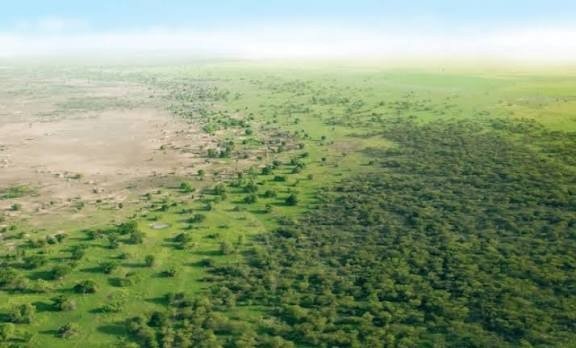

Sudan possesses one of the largest reserves of arable land in Africa, with millions of hectares suitable for cultivation. This strategic resource gives the country strong potential to serve as a regional food producer. However, land degradation has emerged as one of the most pressing environmental and developmental challenges threatening this potential.
The causes of land degradation in Sudan are multifaceted. Climate variability, irregular rainfall patterns, and rising temperatures contribute significantly to desertification processes. Human activities further intensify the problem, including deforestation for fuelwood and agricultural expansion, overgrazing, and unplanned urban growth. In several states, recurring floods accelerate soil erosion and strip away nutrient‑rich topsoil, directly reducing agricultural productivity. In addition, unsustainable farming practices—such as continuous monocropping, limited use of soil amendments, and cultivation on marginal lands—further exhaust soil fertility and reduce long‑term land productivity.
The consequences of land degradation extend beyond declining crop yields. Economically, reduced productivity undermines rural incomes, weakens national food security, and increases dependence on food imports. Socially, competition over scarce natural resources increases tensions between farming and pastoral communities, particularly in semi‑arid regions where access to grazing land and water is already limited. Environmentally, the loss of vegetation cover diminishes biodiversity, disrupts ecosystem services, and contributes to higher carbon emissions, reinforcing the cycle of climate change impacts. In some regions, land degradation has also contributed to displacement, as communities are forced to migrate in search of more viable land and livelihoods.
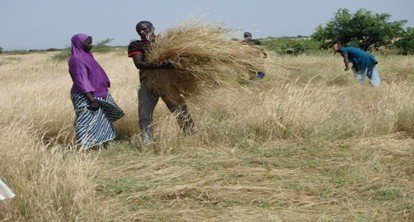
In this context, land restoration offers a strategic opportunity for sustainable development in Sudan. Restoration efforts may include improving soil fertility through organic inputs and conservation agriculture techniques, promoting reforestation and green belts to combat sand encroachment, and implementing sustainable rangeland management plans. Water harvesting technologies—such as small dams and earth reservoirs—can also enhance resilience to drought conditions and improve agricultural stability.
Beyond environmental gains, land restoration initiatives generate economic benefits by creating employment opportunities in agriculture, forestry, and natural resource management. Strengthening domestic agricultural production reduces reliance on food imports and contributes to macroeconomic stability.
Successful land restoration requires coordinated national policies, community engagement, and international support. Data-driven planning, remote sensing technologies, and environmental awareness programs are critical components of long-term success. Investing in land restoration is not merely an environmental intervention; it is a strategic foundation for food security, social stability, and a resilient economy in Sudan.
References:
- Food and Agriculture Organization
- United Nations Convention to Combat Desertification
- United Nations Environment Programme